Across the globe, water utilities are under pressure to deliver more reliable services with fewer resources. Leaks, water losses, and quality concerns continue to challenge networks that are often decades old. The solution taking shape is the convergence of IoT-based water monitoring with the proven reliability of SCADA systems. Together, they are reshaping how utilities manage assets, assure quality, and engage customers.
Why Traditional Monitoring Falls Short
For years, utilities depended on manual inspections and periodic sampling to detect leaks or test water quality. The drawback is clear, by the time a problem is identified, it has often already caused losses, service disruption, or public dissatisfaction. In some countries, Non-revenue water (NRW) levels are still above 30–35%, meaning a third of treated water never reaches customers. Even in more advanced networks, NRW averages 10–12% of total supply.
That scale of loss makes the business case for digital transformation undeniable.
Water Network Monitoring Solutions for Today
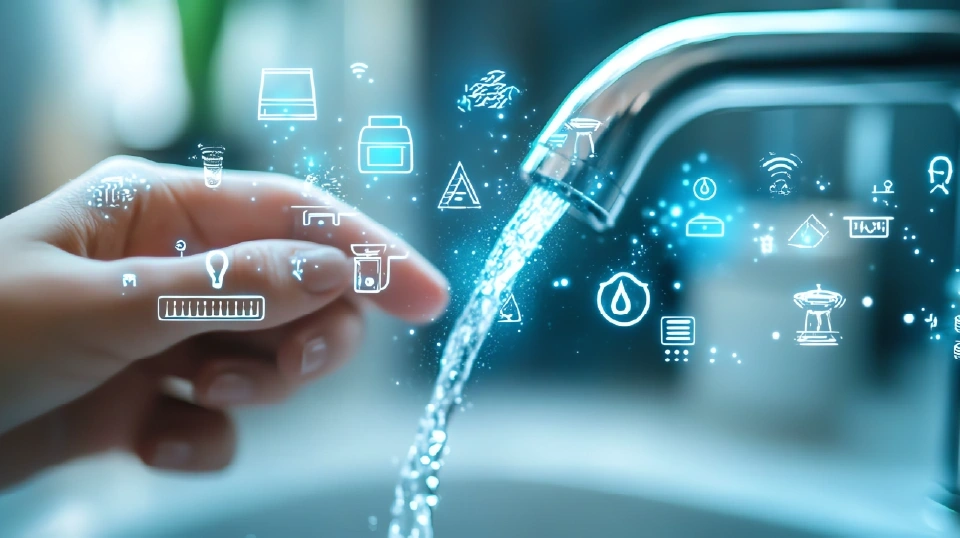
Modern Water Network Monitoring Solutions combine IoT sensors, cloud platforms, and SCADA integration to create a live view of the entire system. From flow and pressure sensors to advanced meters and water quality probes, every part of the network can now generate data. This data is analysed in real time, alerting operators to abnormal patterns and helping decision-makers act before small issues become big failures.
Key advantages for utilities include:
- Reduced Water Loss: Continuous monitoring detects hidden leaks faster than manual methods.
- Accurate Billing: Smart metering ensures fair, transparent, and dispute-free billing for consumers.
- Operational Efficiency: Automated insights optimise pumping schedules, energy use, and asset lifespans.
- Customer Trust: Remote water quality monitoring reassures communities that supply is safe and consistent.
Remote Water Quality Monitoring: Protecting Public Health
Safe water is the first expectation from any utility. Remote water quality monitoring allows utilities to track turbidity, chlorine levels, and contamination risks continuously instead of relying only on periodic testing. This means early warnings when conditions shift, such as potential contamination after heavy rains, so corrective action can be taken quickly.
For fast-growing cities and rural communities alike, affordable IoT sensors and cloud-based dashboards are proving essential. Utilities no longer need to choose between broad coverage and affordability, scalable solutions can now deliver both!
IoT-Based Water Monitoring: Turning Data into Decisions
The power of IoT-based water monitoring lies in making sense of billions of data points. Predictive analytics tools can forecast demand, highlight areas of pressure imbalance, and even recommend maintenance before breakdowns occur. Some utilities are using these insights to prioritise pipe replacements, plan better service schedules, and reduce the financial drain of emergency repairs.
For operational teams, the return on investment is clear: fewer unplanned outages, better compliance with regulations, and measurable improvements in customer satisfaction scores.
Making a significant impact with ‘Smart Water Technology’
Water Network operators are increasingly looking at water technology not as a cost, but as an enabler of growth. Smarter networks mean:
- Financial Sustainability: Reducing NRW and optimising operations saves millions annually.
- Regulatory Compliance: Continuous monitoring ensures adherence to evolving water quality and safety standards.
- Resilience Against Climate Risks: Real-time visibility helps networks adapt to droughts, floods, and changing demand.
- Stronger Stakeholder Engagement: Transparent data builds trust with citizens, regulators, and investors.
The Road Ahead for Smart Water Networks
The global trend is clear: utilities that adopt Smart Water Network Monitoring Solutions and integrate IoT with SCADA are already seeing tangible results. Advanced economies have cut water losses to below 12%, while developing regions are targeting reductions from levels exceeding 30%. What unites both contexts is the role of digital tools in building more efficient, transparent, and resilient operations.
Looking forward, the focus will shift from deploying individual technologies to building connected ecosystems where every device contributes to a single, intelligent view of the network. For utilities, municipalities, and water boards, this is about creating water services that are sustainable, financially sound, and trusted by the communities they serve.